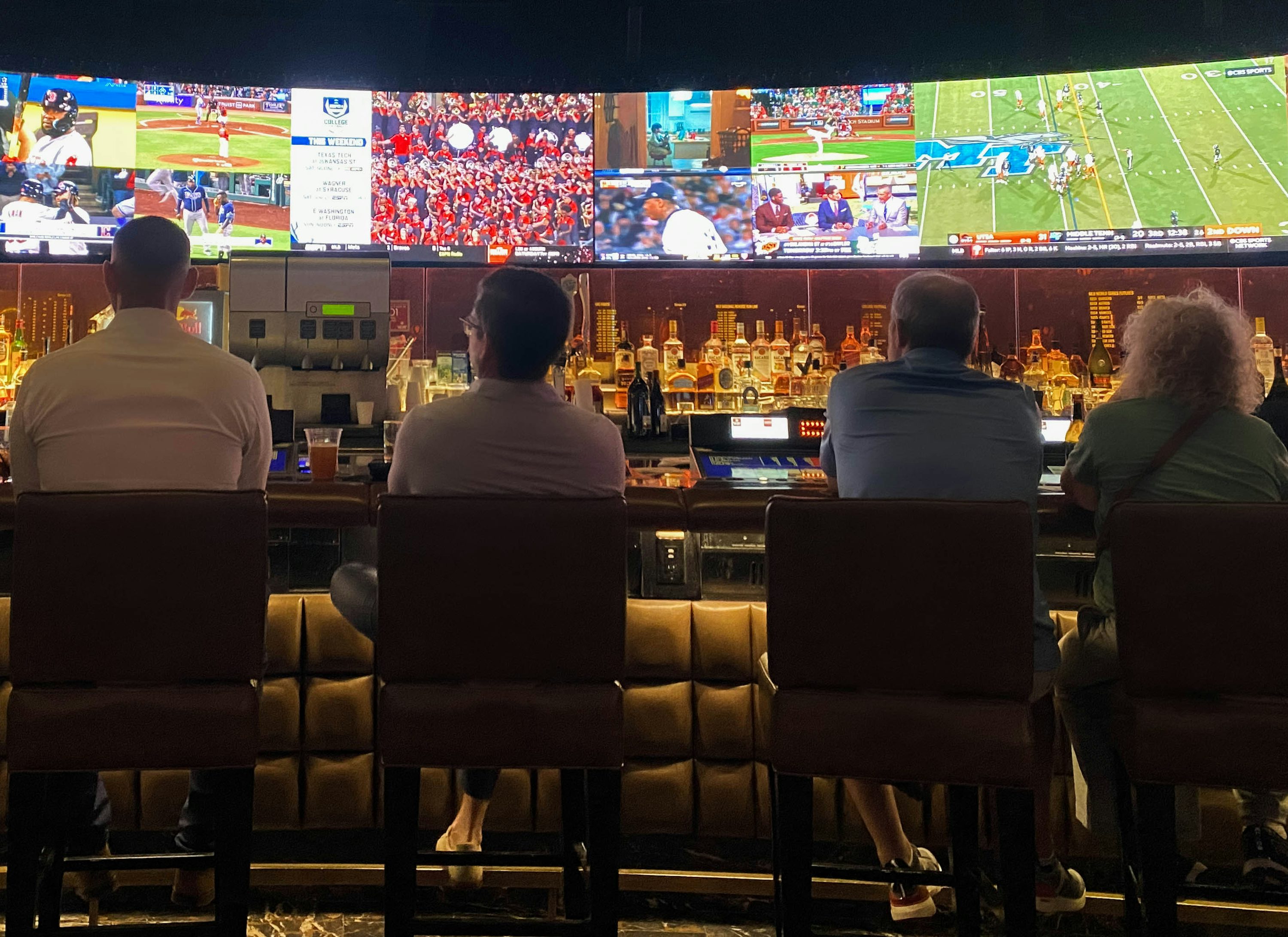
The Fascination with Luck in Gambling
Luck has always played a crucial role in the allure of gambling, captivating players’ imaginations and driving their desire to test their fortune. For many, the notion of hitting a jackpot or drawing the winning card sparks a sense of excitement and anticipation. This fascination often leads players to believe in luck as a tangible force that can influence the outcome of their games, especially when they consider options like fast withdrawal casino experiences. Such beliefs are deeply ingrained in cultural narratives, where stories of lucky individuals winning substantial sums at casinos or lotteries circulate widely, reinforcing the myth of luck in gambling.
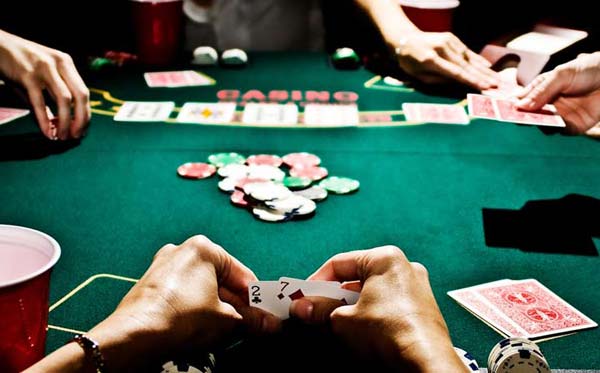
This belief in luck as a powerful ally can significantly impact gambling behavior. Players may adopt rituals or behaviors designed to ‘bring luck’, such as wearing specific clothing or engaging in superstitious acts before placing bets. While these practices provide a sense of control and connection to the game, they often distract from the fundamental truth: gambling is primarily a game of chance, governed by mathematical probabilities rather than mystical forces. The emotional highs associated with winning can cloud judgment, compelling players to continue betting despite the odds.
Thus, the relationship between luck and gambling is a complex web of psychology and culture. People are naturally inclined to seek patterns and meanings in random events, leading to the widespread belief that luck can be harnessed. However, this belief can lead to misconceptions about the nature of gambling, causing players to misunderstand their chances and make less informed decisions. Understanding the reality of luck in gambling can empower players to approach their gaming experiences with a clearer perspective.
Statistical Realities and Gambling Odds
The odds in gambling are governed by mathematics and probability theory, which starkly contrasts the popular belief in luck. Each game, whether it involves cards, dice, or spinning reels, has a defined set of probabilities that determine outcomes. For instance, in a game of roulette, each number has an equal chance of coming up, and the casino maintains an edge that ensures its long-term profitability. Recognizing these odds is essential for players to make informed choices rather than relying solely on luck.
Furthermore, many games are designed to create a specific house advantage. This means that over time, the house will win more often than players, even if individual sessions may produce lucky streaks. For example, slot machines utilize Random Number Generators (RNGs) to ensure randomness, yet their payout rates are calculated to maintain profitability for the establishment. Understanding these concepts allows players to appreciate that while luck may play a role in short-term outcomes, it cannot change the mathematical realities over time.
The reliance on luck can also lead to phenomena such as the gambler’s fallacy, where players mistakenly believe that past outcomes influence future results. For instance, thinking that a particular slot machine is “due” for a win due to previous losses is a common misconception. Each spin is independent and does not influence the next, emphasizing the necessity for gamblers to ground their expectations in statistical realities rather than misguided faith in luck.
The Role of Skill in Gambling
While luck is often touted as a primary factor in gambling, skill can play a significant role in many games. For example, games like poker and blackjack require not only an understanding of the rules but also strategic thinking, calculated decision-making, and psychological insight into opponents’ behaviors. Skilled players can leverage their knowledge to make choices that improve their odds of winning, demonstrating that success in gambling is not solely a matter of luck but can be a product of skill.
In poker, players employ tactics such as bluffing, reading body language, and analyzing betting patterns to gain an advantage. These skills can tip the odds in their favor, as experienced players are often able to outsmart less seasoned opponents. This ability to influence outcomes through skillful play highlights that not all gambling experiences are created equal, and players who invest time in honing their craft can see favorable results over the long term.
Ultimately, while games like slots and roulette are purely based on chance, others like sports betting, poker, and blackjack lend themselves to strategic approaches. Recognizing the blend of luck and skill in gambling can enhance the overall experience, encouraging players to engage more critically and responsibly. Understanding when luck is a factor versus when skill can be applied is vital for any serious gambler aiming for success.
The Psychological Impact of Believing in Luck
The belief in luck can significantly shape a player’s gambling habits and decision-making processes. When individuals attribute their wins and losses to luck rather than strategic choices, it cultivates a mindset that can lead to reckless behavior. This mindset often leads to the misconception that one can simply “get lucky” if they play long enough, which may drive players to chase losses or gamble beyond their means. Such practices can lead to detrimental financial and emotional consequences.
This psychological framework is reinforced by various media portrayals of gambling, where the “lucky winner” narrative is often celebrated. These stories, while inspiring, tend to overshadow the more common reality of loss, contributing to an unrealistic perception of gambling as a path to easy wealth. Consequently, many individuals may approach gambling with a skewed understanding that can encourage irresponsible play and a lack of awareness about responsible gambling practices.
To counteract the potential negative impacts of luck-based thinking, education around responsible gambling is essential. Encouraging players to understand their motivations, set limits, and recognize the role of chance versus choice can foster healthier gambling habits. Incorporating a balanced perspective on luck and skill not only enriches the gambling experience but also helps mitigate the risks associated with problem gambling.
Exploring More on Responsible Gambling
For those interested in deepening their understanding of the myths and realities of gambling, there is a wealth of information available on responsible gaming practices. Many websites and organizations are dedicated to educating players about the nature of gambling, its potential risks, and how to engage in it responsibly. These resources often provide insights into the psychological aspects of gambling and offer strategies for setting budgets and recognizing warning signs of problematic behavior.
Additionally, interactive tools and guides can assist players in assessing their gambling habits and making informed decisions. The importance of awareness cannot be overstated; understanding the odds, the balance between luck and skill, and the psychological impacts of gambling are all key components of a responsible gaming approach. Engaging with these resources can empower players to navigate the complex landscape of gambling more effectively.
In conclusion, unraveling the myths surrounding luck in gambling reveals a broader understanding of this thrilling activity. By demystifying luck and emphasizing the importance of education, skill, and responsible gaming practices, players can enhance their experiences. Whether for entertainment or competition, knowing the facts can lead to more gratifying and informed decisions at the gaming table.